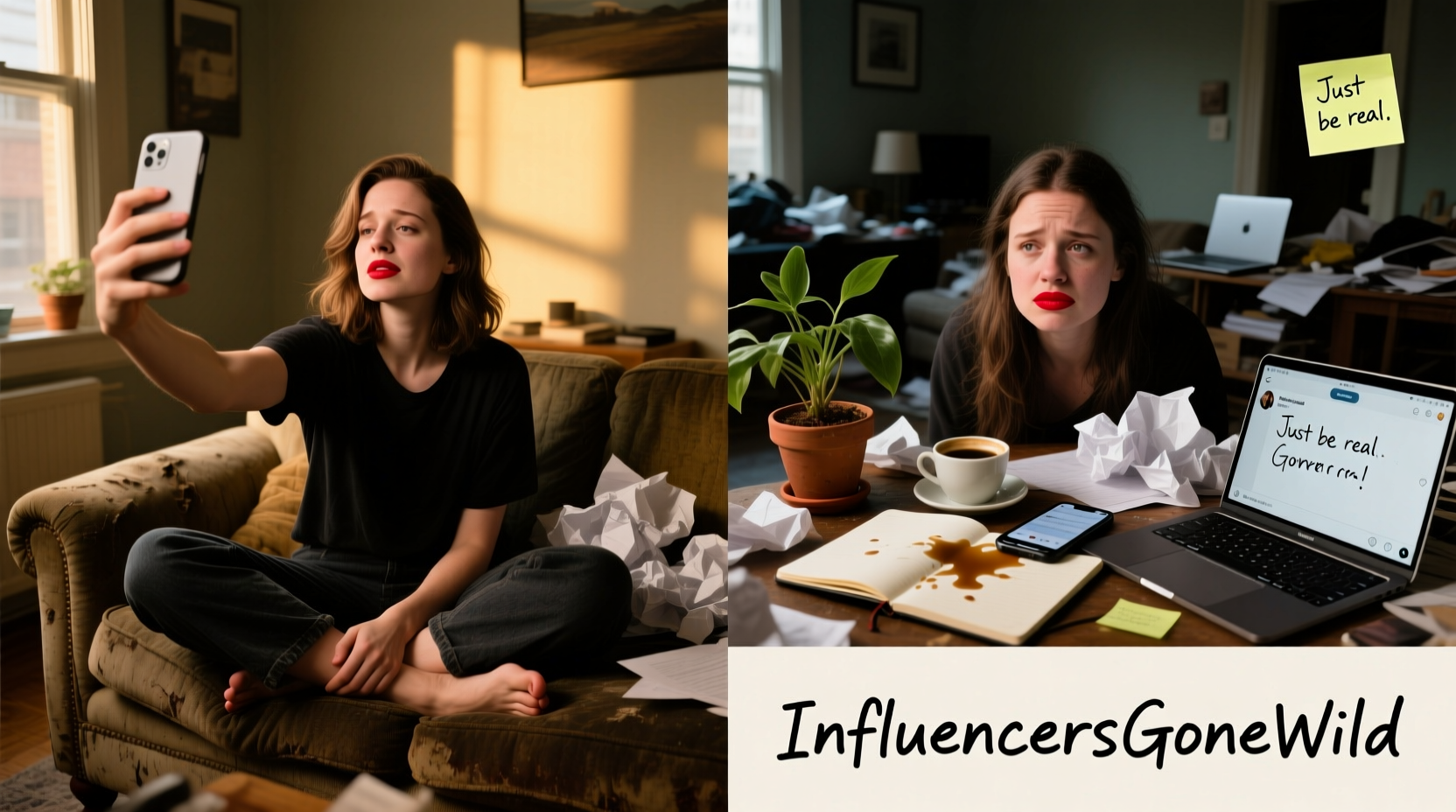
In the past, social media stars were all about being perfect. They showed us flawless selfies, planned morning routines, and perfect travel videos. This was the old Instagram way. You saw only the best parts of life, never the real parts.
Now, a big new trend is here: InfluencersGoneWild. This trend completely changes what it means to be a modern influencer. It is a comment on a tired audience. You are demanding honesty. You do not want to see fake perfect lives anymore.
You cheer for influencers who dare to be messy. You like them when they are emotional, imperfect, and most of all, real. This movement shows a new, honest digital world. This trend is important because it shows a big change in what people think.
Today’s customers are smarter. You can quickly see when someone is not being real. You want truth. You want a person who shows up with bad hair, worry, or a clumsy moment. When creators embrace the “gone wild” style, they connect with you more deeply.
They stop pretending to be perfect. They build stronger, more loyal groups of followers. Brands, marketers, and creators must look closely at this. This is not just a passing trend. This is what works in the creative economy right now.
What “Gone Wild” Really Means
Let us be clear about the term. The name might sound funny. But the meaning is actually very deep. The phrase sounds like people are breaking rules. You might think it is only about trouble.
But this phrase really signals a major change in how people create content. Going “wild” means letting go of the act. It means showing your followers the truth behind the clean content.
This change includes posting mistakes instead of perfect videos. Creators share bad moments, not just good ones. They make jokes about their own errors. They let people see them shouting, crying, or laughing. It is all unfiltered and unscripted.
Do not think this trend is about being shocking just for clicks. It is truly about being human. Yes, there can be some drama. But the main idea of Influencers Gone Wild is being easy to relate to. The internet is full of fake photos and stories. Being relatable is what truly stands out.
Think about the creator Emma Chamberlain. She posted a video from her bed, without makeup, just talking about life. The video became hugely popular. Why? People felt like they saw themselves in her honest moment. It was not drama. It was just real.
To get this trend, you need to know where it started. The phrase “Gone Wild” is old. It became famous in the 2000s with a controversial DVD series. That series showed women partying. The internet now takes language and changes it.
In the modern world, “InfluencersGoneWild” is a joke. It is a way to point out how influencers are moving away from their perfect, controlled image. It began as a joke. It became a viral caption. Now, it is a big part of culture for showing surprising, honest moments.
This “wild” content is not bad for work. It is just bad for perfect looks. That is why younger people love it so much.
Clearing Up Misunderstandings About This Trend
It is time to correct some wrong ideas. People often do not fully understand this movement. You must know what this trend is not.
Is it about being bad? No, that is not the short answer. The name might cause people to think so. But most influencers using this label are not doing anything inappropriate. Instead, they are sharing worries on a live stream. They are dancing badly on purpose. They are laughing while crying when sharing personal news.
This is a protest against beauty and behavior standards that are not real.
Let us separate the facts from the fiction. Some people think it is just a way for influencers to act unprofessionally. The truth is it is a fight against standards that are too hard to reach. You might think only young creators do this. The truth is creators of all ages are showing their real lives. This includes mom bloggers and tech reviewers. Some think it makes influencers less trustworthy. The truth is it builds deeper trust and makes them more relatable. The more honest creators are, the stronger their fan groups become.
The Change From Perfect to Real
This big change did not happen quickly. Remember the Instagram time around 2015? That was the time of perfection. You saw white edges on photos, planned product displays, and travel photos with the word “adventure.”
Compare that to today. You now see quick phone screenshots. You see many bad selfies. You see short videos that start with, “I just woke up and need to talk.” This is not laziness. It is a clear choice to be relatable. People follow creators who show their own messy, emotional, funny lives. This is a move from “Inspiration” to “I see myself in this.”
In the past, a phone app called Facetune was the big secret for every influencer’s look. Skin was smoothed. The waist was made smaller. Teeth were made whiter. But now, using filters is less popular.
We see trends like selfies with no filters. We see “Get Ready With Me” videos that start with sleepy eyes and blemishes. We see side by side photos of “Instagram vs. Real Life.” The result is better talks about body image, mental health, and feeling good about yourself. That is a clear positive change for the internet.
Why Social Media Rules Like Unpredictability
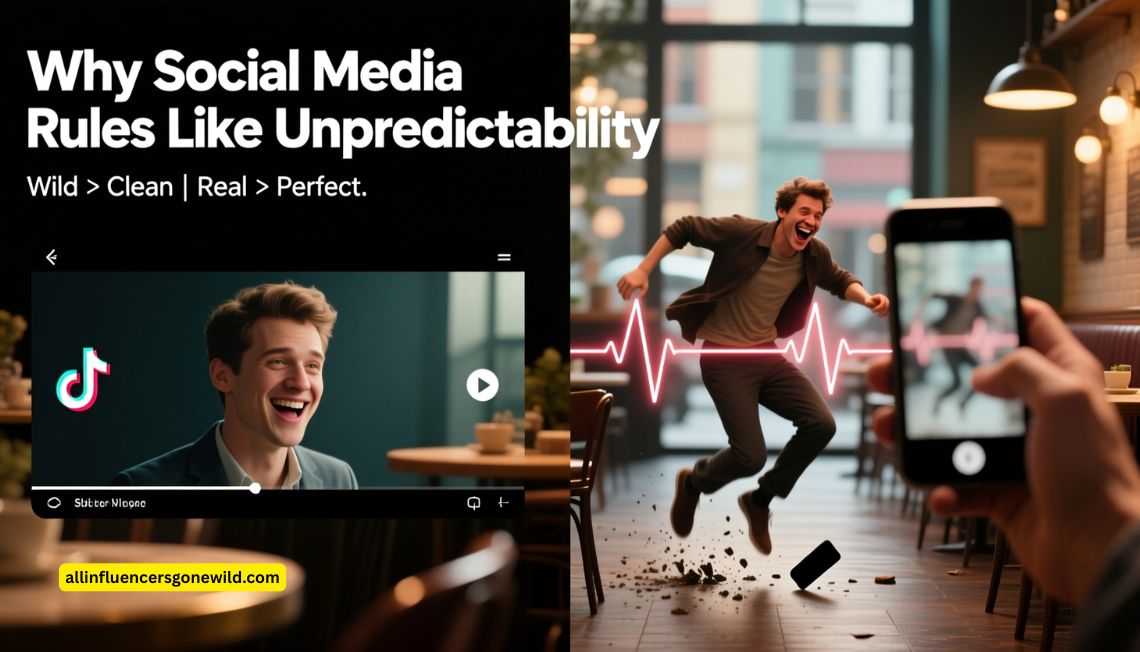
Social media platforms do not just allow this trend. They make it happen. Short videos are popular because they are quick, exciting, and stop you from scrolling. These video types reward surprise. That is the main point of “gone wild” content.
A wild, real, or strange video can become popular faster than a perfectly edited video. People do not watch things for long periods anymore. They value honesty more than a clean look.
The social media system wants to boost content that makes people react. It looks for longer viewing times. It wants more comments and shares. It looks for fast reactions, like many likes in the first hour. Raw, real, and surprising content checks all these boxes well.
Why? People watch it more than once. They leave comments like “me too” or “what happened??” They share it because it is shocking or easy to connect with. Simply put: wild equals popular.
The video platform TikTok loves surprise. You do not need a million followers to become popular. You only need to be real or surprising enough to stand out. Other platforms are changing too. You will see more random, meme like, or sarcastic videos now than overly staged photos. Even longer videos on YouTube are changing. Creators now include awkward stops, raw editing, and mistakes on purpose.
Why People Like Chaos
In 2025, the content that gets your attention is not perfect. It is flawed, funny, and honest. Why is this change happening? Why do people want chaos instead of controlled content?
For over ten years, influencers on Instagram showed picture perfect lives. You saw super clean homes. You saw fancy coffee and brunch. You saw beauty routines that looked easy.
But you cannot relate to that all the time. After many years of seeing the same perfect photos, the internet decided, “Enough.” People are tired of content that shows only perfection. It feels fake and boring.
That is why you pay attention when an influencer shows their dirty sink. You stop scrolling when they cry in the middle of a video. It is messy. It is real. It is human.
People do not want perfection anymore. They want things that are possible. Being relatable means seeing yourself in another person. It is the influencer who burns dinner while filming a live video. It is the person who posts a video crying after a breakup. It is the creator who posts a makeup video with no filters. That honesty builds a strong connection. When someone seems more real, you trust them more. Trust is the most important thing online now.
The Different Kinds of Wild Content
Not all “gone wild” moments are the same. The content in this trend is varied and quickly increasing.
Behind the Scenes Content These posts pull back the curtain. They show the chaos that happens when making content. You see video mistakes and things that went wrong while filming. You see short videos showing how many tries a scene actually took. You get quick looks at photo shoots that include small fights or clothing problems. This is the stuff you were not supposed to see. That is exactly why you like it.
Live Video Mistakes Live videos cannot be edited. This means they are high risk. But they are also high reward. Unplanned live video moments become popular when a creator forgets they are live. It also happens when someone walks into the room by accident. Emotions spill out during conversation. These unscripted moments show real emotions right now. This builds strong loyalty from followers and sometimes causes trouble.
Emotional Outbursts and Quick Posts Sometimes, influencers go “wild” by simply getting upset online. This includes angry speeches about people who are mean or about brands. It includes tearful confessions written quickly in a phone app. It involves late night posts made without thinking. These moments often become popular because they feel raw and real. This is true even if the creator regrets the post later.
Honesty Versus Seeking Attention
This is the hard part of the trend. You can easily tell when a creator is faking honesty. When influencers start acting vulnerable just to get likes, things get confusing fast.
Creators know that crying on camera or having a “meltdown” gets more views. They may start doing these things on purpose. What was once real and unexpected becomes planned chaos. You can spot signs of fake “wildness.” This includes posting a crying selfie that has perfect lighting. It means “accidental” live videos where everything looks too perfect. It involves angry speeches that seem planned for a product sale. People are getting better at spotting the fakes. Influencers who are not real get called out quickly.
This leads to a confusing situation with honesty. The more you try to look real, the less real you actually seem. It is a tough balance. The influencers who stay popular are the ones who do not try hard to be real. They just are.
Dealing With the Dangers of Going Wild
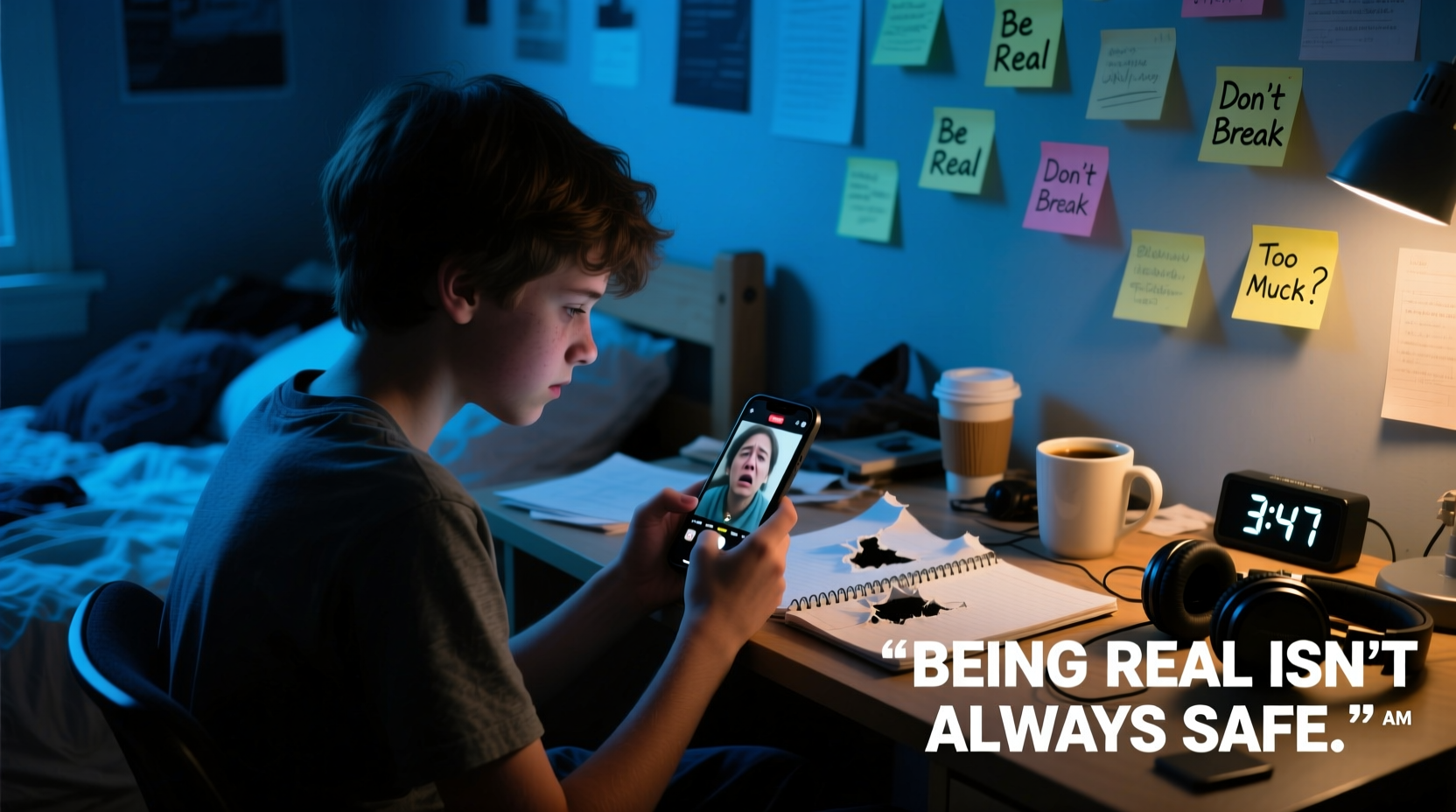
We must not see this as only a good thing. “Going wild” can go very wrong very fast. What is meant to be honest may be seen as manipulative or offensive.
For example, an influencer shares a tearful apology for a past mistake. But they make money from the video. People call this “using sadness for money.” When this happens, they lose trust quickly. Once you stop being real and start using people, fixing your reputation is hard. Today’s popular videos do not go away. They stay forever in reaction videos and online chats. Being “wild” might win you followers fast. But the long-term cost could be your reputation.
There is a clear difference between being relatable and being reckless. Being healthy and open means sharing problems with explanation. It means being open about growing. It means letting followers in, but still having limits.
Oversharing looks like posting while having a panic attack. It means sharing other people’s private moments. It involves using mental health issues to gain attention. People can tell the difference. They do not forget when limits are crossed.
Being totally open all the time causes tiredness. Once a creator is known for their real style, there is pressure to stay messy. Followers expect them to be honest at all times. Every post must be more shocking or emotional than the last. Creators feel stuck in their online role. This can lead to burnout, feeling confused about their identity, and anxiety. Behind the chaos, there is a growing need for mental health support for creators.
Read: Influencer Gone Wild: Viral Video, Reality Show, Online Fame
Brands Are Using the Chaos
At first, brands were afraid of the “gone wild” trend. Now, many are fully embracing it. New campaigns include showing mistakes behind the scenes. They use messy, unedited advertisements. They use short videos showing influencers really using a product, even if it does not work perfectly in that moment. Brands now encourage flaws because it makes sales feel more real. And real things sell better.
Campaigns like “Be Real With Us” use this trend directly. Key features include product reviews with no script. They have live video question and answer sessions with no preparation. They use story takeovers that feel like personal video calls, not ads. In 2025, being real is the new way to get profit.
This movement is not only about trouble. It is about being real. This change in how content is made is making influencer culture better.
Conclusion
The InfluencersGoneWild movement proves one clear truth: the age of perfect filters is over. Your demand for real, relatable content has totally changed social media. As we look ahead, the influencers who survive and thrive will be the ones who drop the act, embrace their flaws, and choose genuine connection over curated perfection. The chaos is here to stay, and it’s making the digital world a much more honest place.
Frequently Asked Questions
1. What does “InfluencersGoneWild” mean?
InfluencersGoneWild is a trend. It means creators are choosing to be honest and show real content. They move away from showing only perfect pictures. It is about sharing moments that are more raw, real, and easy to connect with.
2. Is the “InfluencersGoneWild” trend bad?
No, the trend is not about bad or wrong content. It is about breaking away from the idea that people must be perfect on social media. It shows the true, unedited side of life.
3. Why do influencers show their imperfections?
Influencers show their imperfections because people want more honesty and realness. The old perfect content is hard to connect with. Influencers who show real feelings and struggles build better connections with their followers.
4. How did short videos affect this trend?
Short video platforms like TikTok were very important in making this real content popular. These platforms like quick videos that capture true moments. This helped move the focus away from videos that were heavily edited.
5. What are the benefits for creators using this trend?
Creators who use “gone wild” content usually build stronger groups of loyal followers. People like creators who are real and relatable. This means better interaction and more trust.